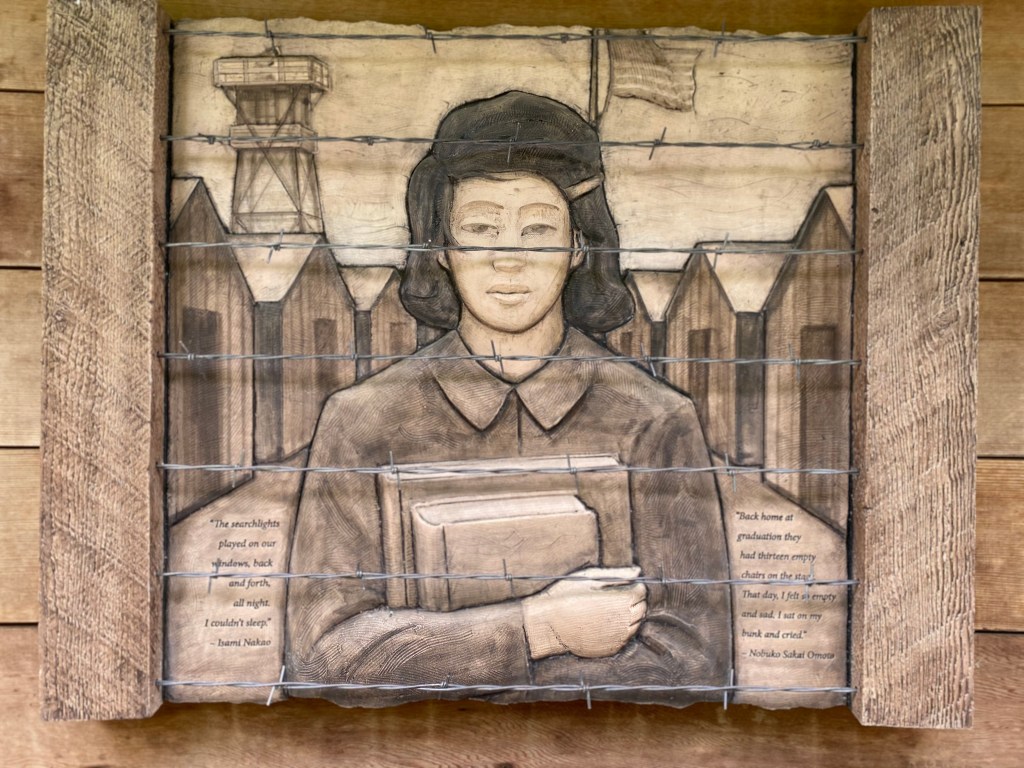
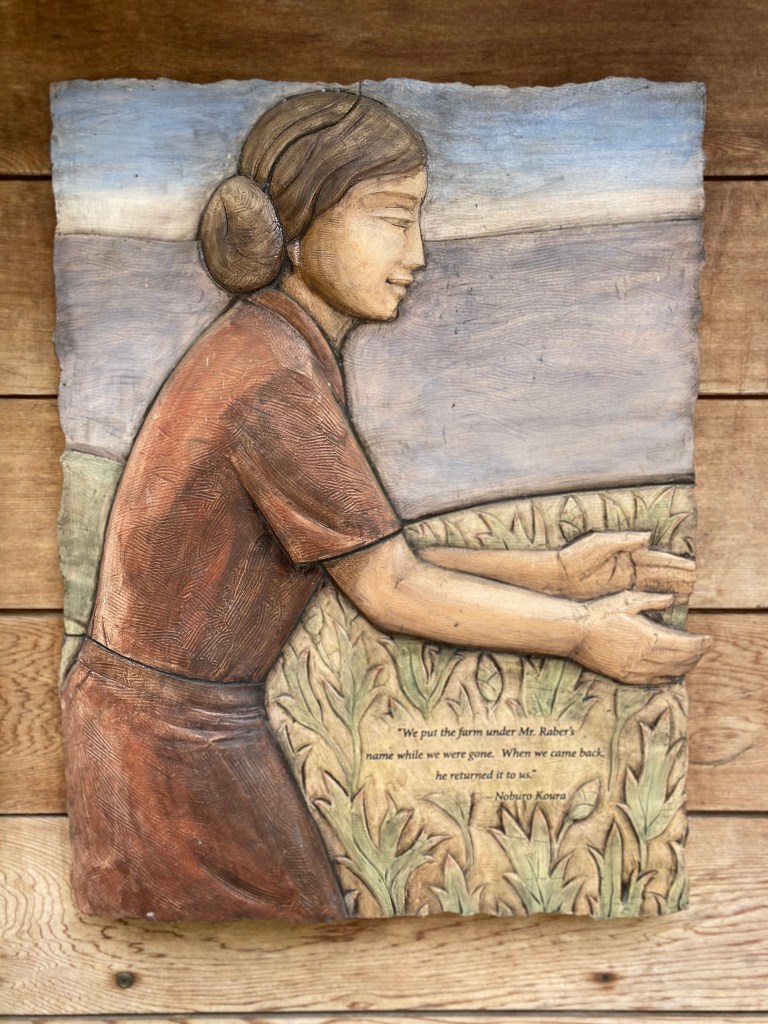
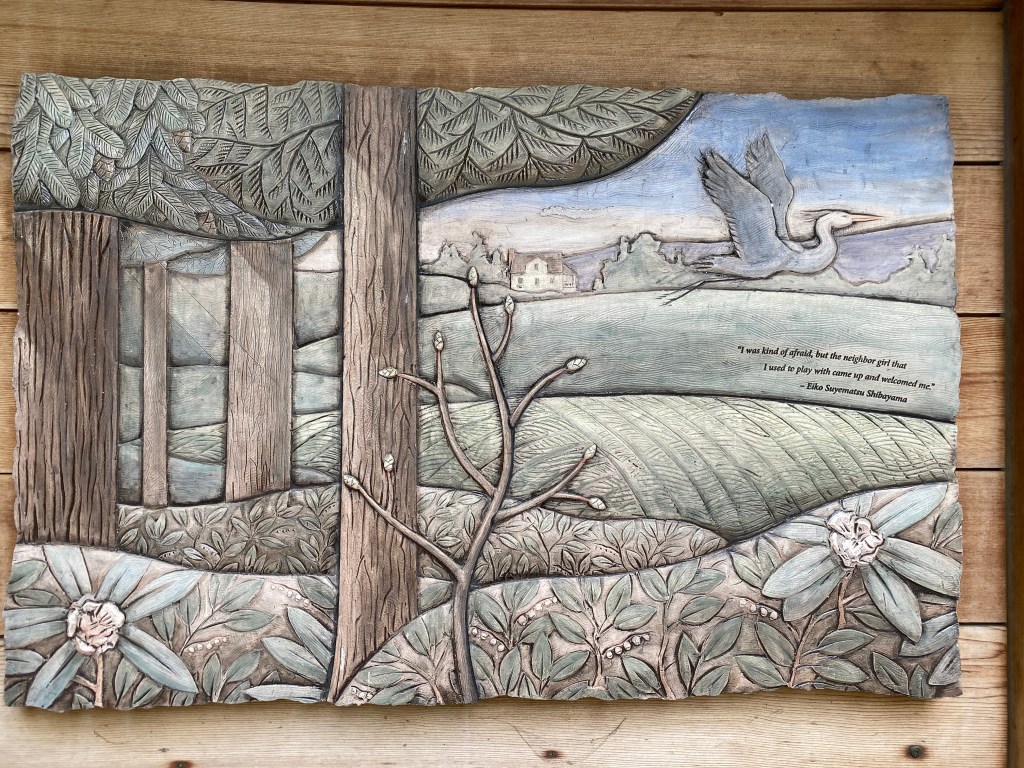
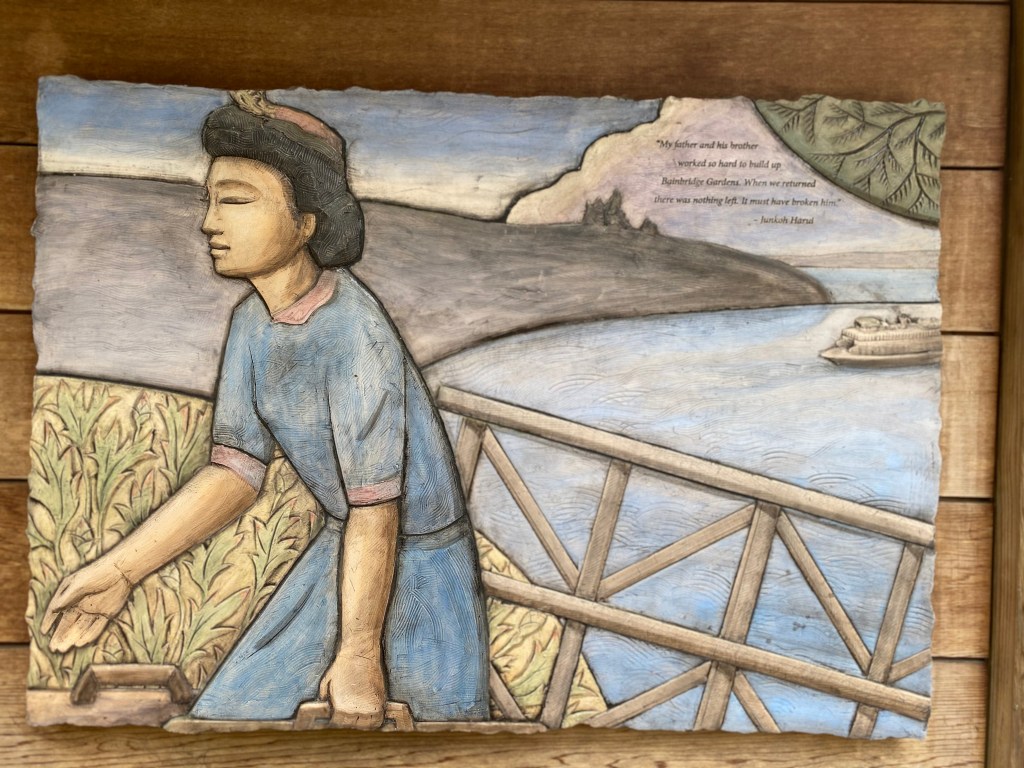
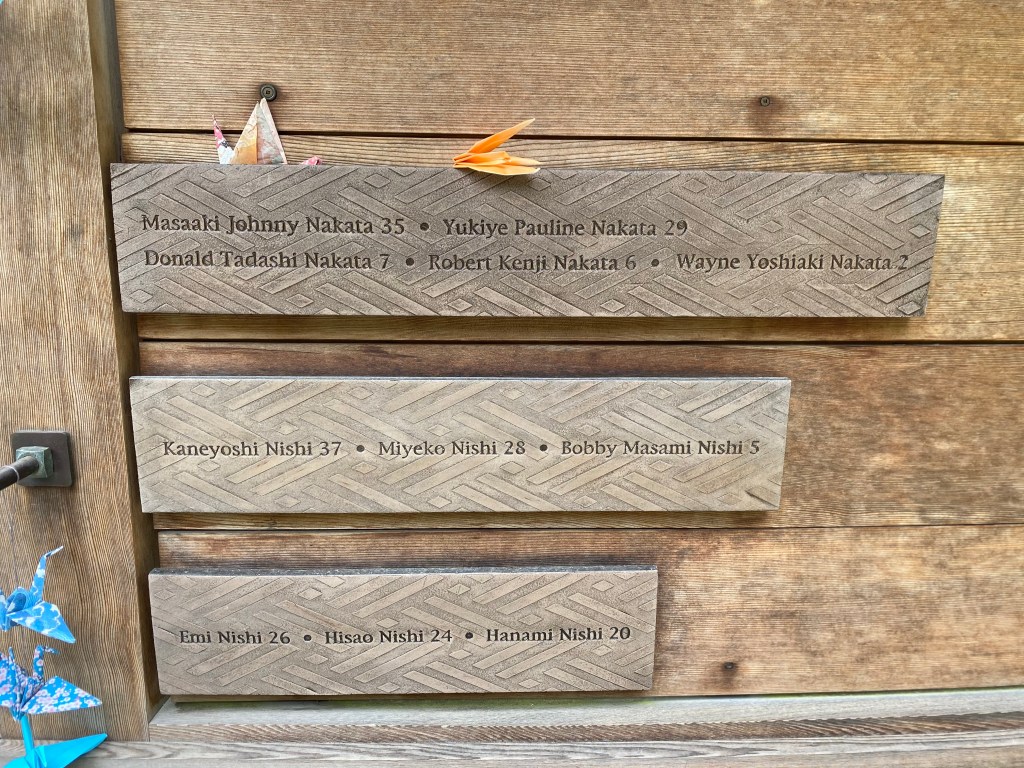
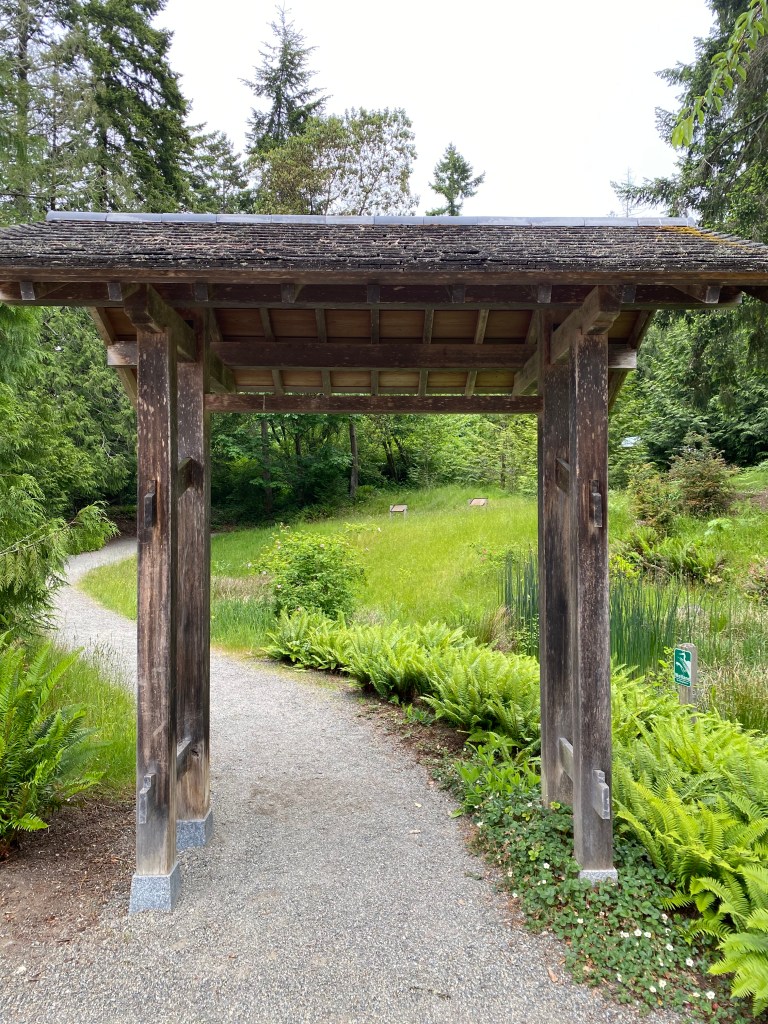
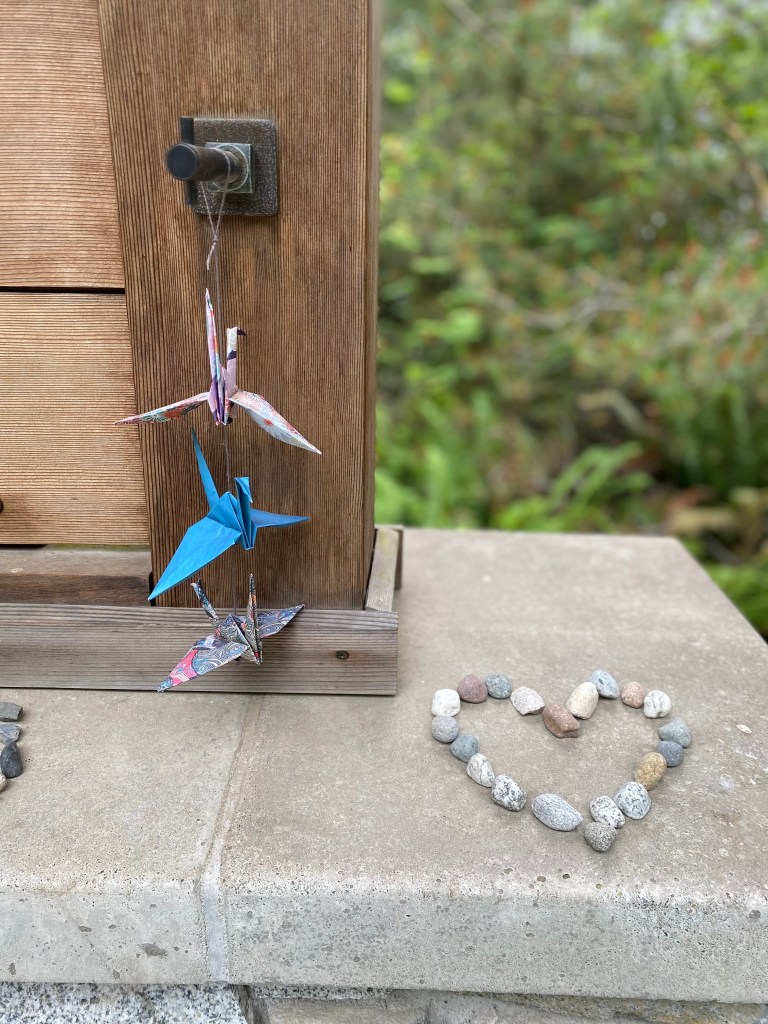
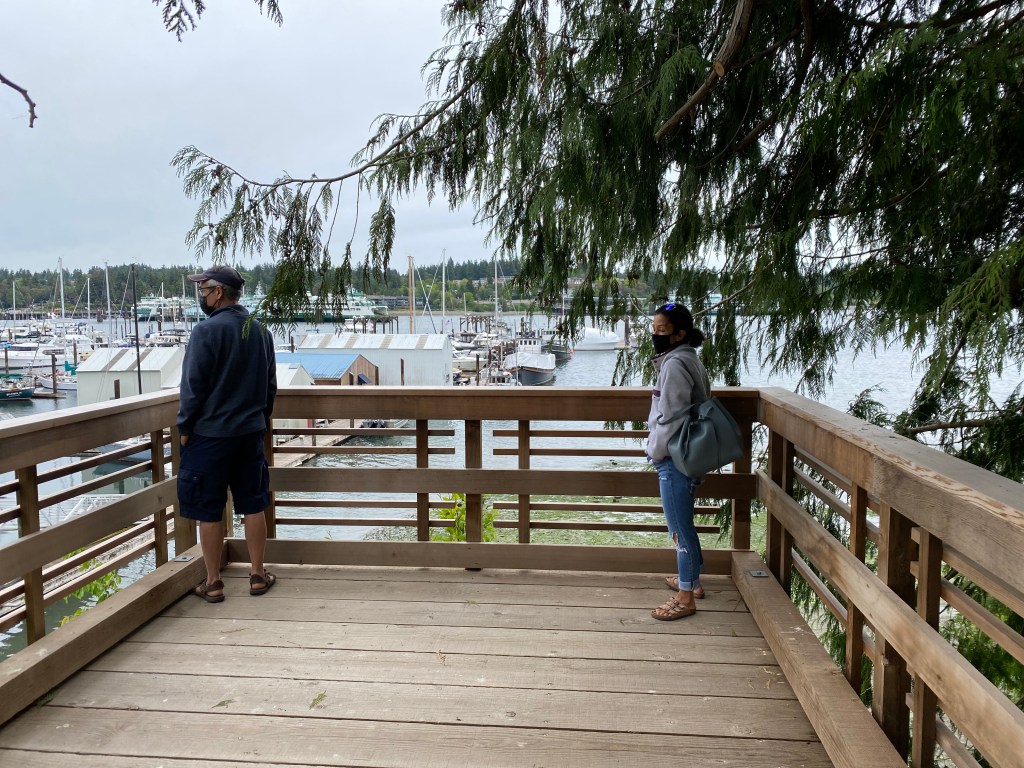
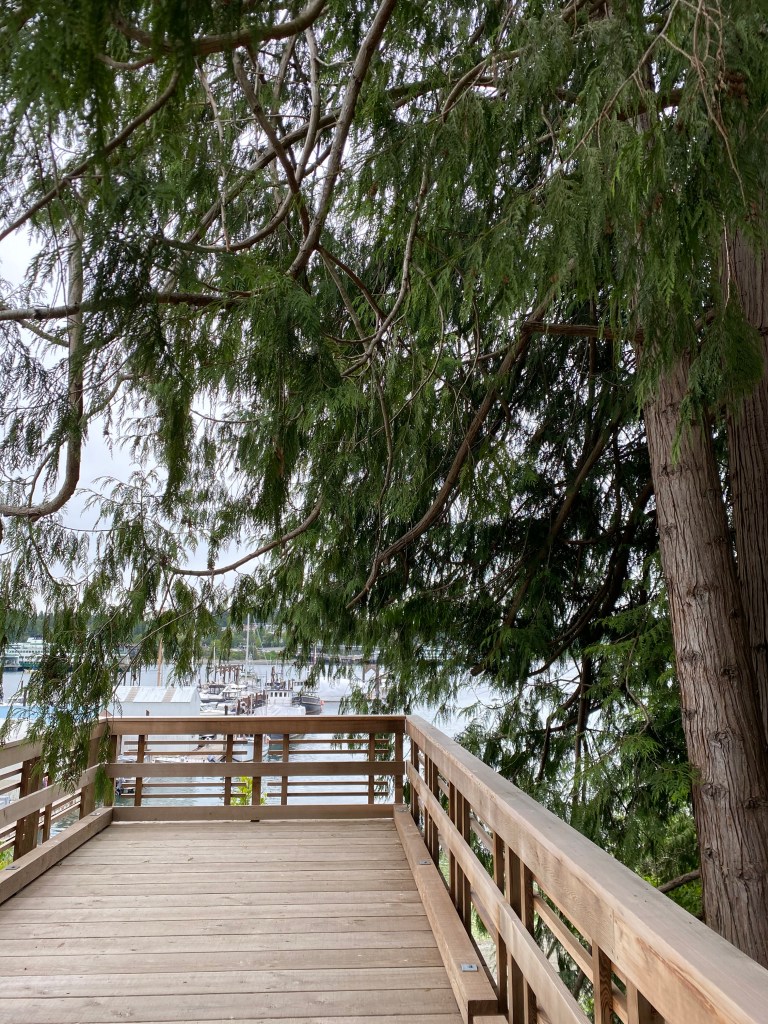
This wall marks the path…

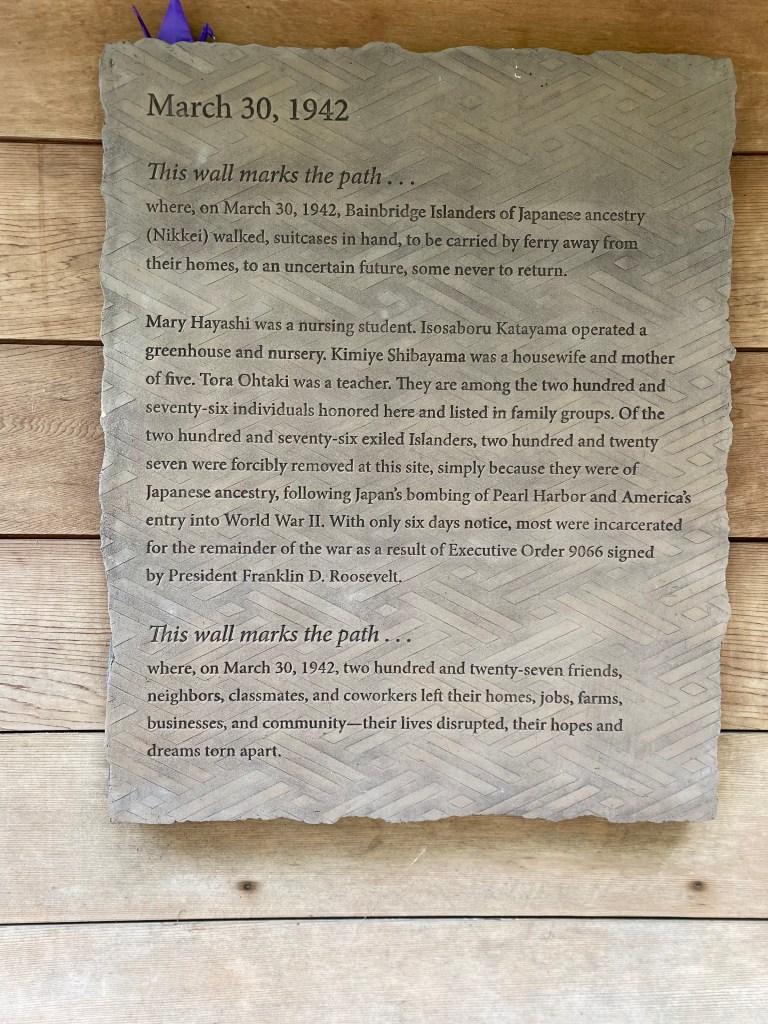
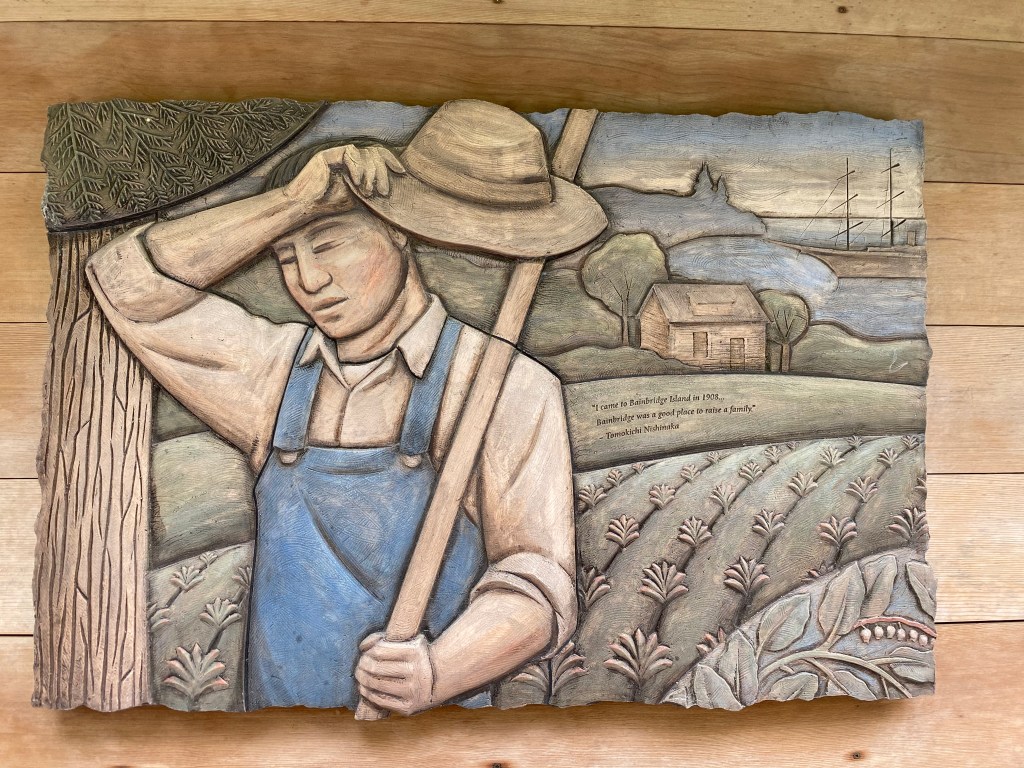
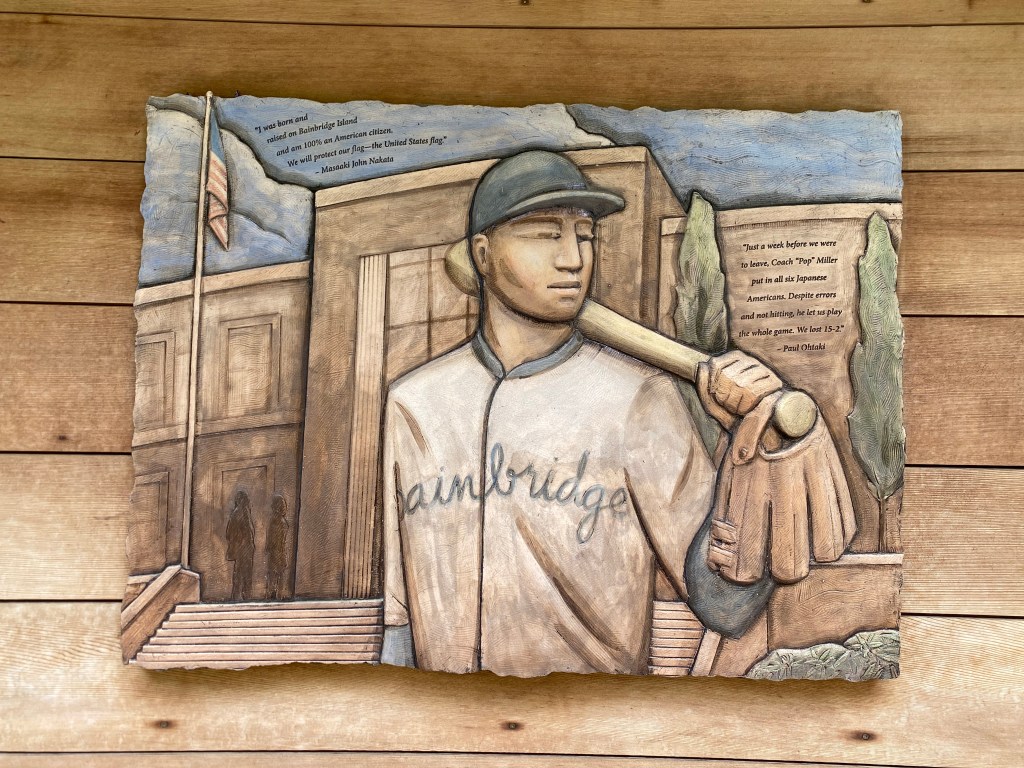
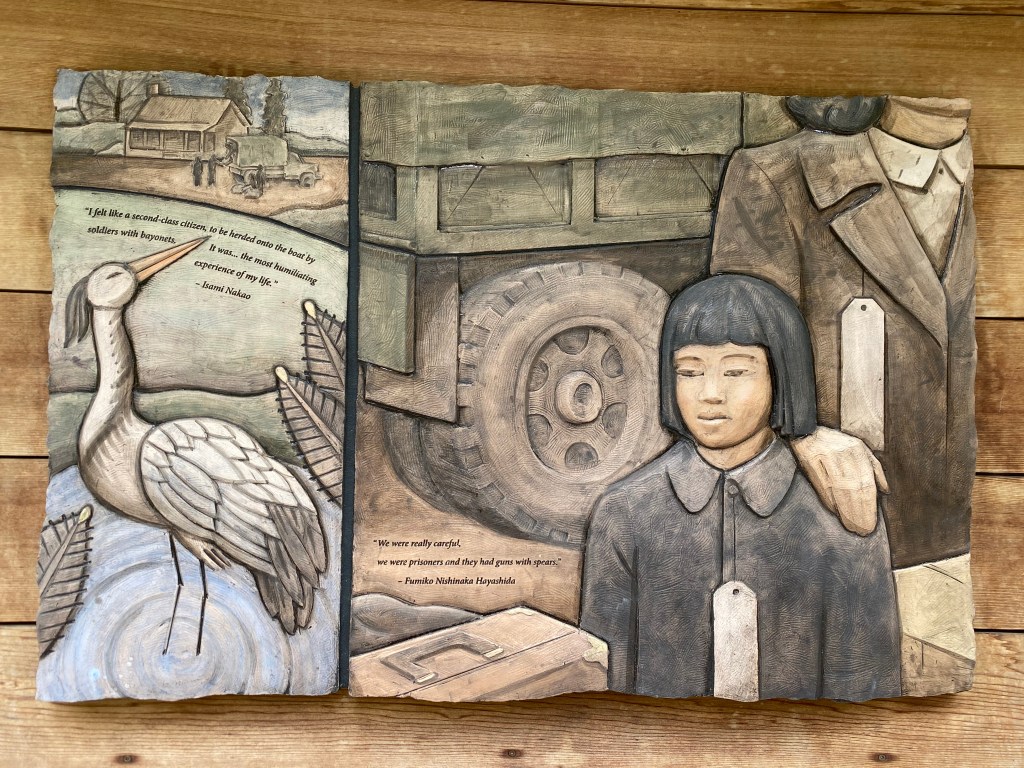
I recently learned of Bainbridge Island’s Japanese American Exclusion Memorial, not far from the ferry terminal I have frequented these past fifteen summers visiting Port Ludlow and the surrounding area. When I visited the website to learn more, there was mention of a 100–year–old Western Red Cedar that was added to the National Registry of Historic Trees in 2003, the second to be named a historic tree on the West Coast. The cedar stood near the ferry dock as 276 Japanese Americans were forced to leave their homes on March 30, 1942 as a result of Executive Order 9066 signed by President Roosevelt. 276 people of all ages and stages, community members, neighbors, colleagues and friends, had six days notice to pack their belongings and leave. The cedar is considered a living witness and still stands today at the memorial site.

I walked the path of the memorial and thought of walking the path of Manzanar’s memorial on one of our visits to Mammoth Lakes in the Sierra Nevada Mountains of CA. Many of the 276 Bainbridge residents were sent to Manzanar where they suffered, stripped of their constitutional rights. Some never returned to Bainbridge and others rebuilt their lives. Some neighbors turned their backs and others watched over property and businesses.

I walked the path yesterday with a lump in my throat, knowing that omens of past horrors are present, that the hatred and fear of the “other” is still such a destructive force in our country as Asian Americans and all people of color, Jews, LGBTQ folxs and more are being attacked through policy and physically on our streets. I walked the path to the water, the wise cedar’s branches spread over the dock, reminding me too of the power of continuing to share legacies of shattering pain and stubborn hope, of trauma and regrowth.

My next visit on Bainbridge will be Bainbridge Gardens, originally established in 1908 by Zenhichi Harui, one of the Japanese Americans forced to leave his home during WWII. When Mr.Harui returned after internment, the gardens weren’t able to be restored. Years later, in 1989, one of Mr.Harui’s sons redeveloped the gardens. There stands Japanese red pines that his father planted years before, seeds carried over to his new home in America. Seeds of promise, sowing strength through the generations.
Morning song

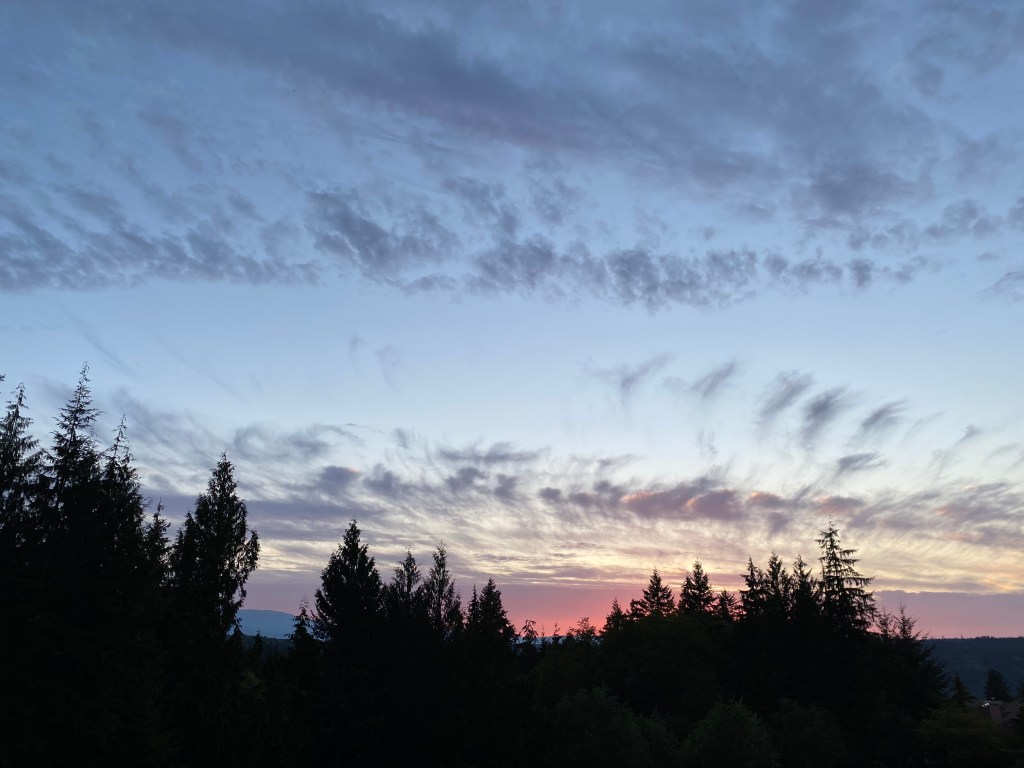
With the 5am light the birds praise the morning in song. I try and will myself back to sleep but the melodies are persistent. At first, I am annoyed—could you find a tree at a greater distance from the window, or fly on down the road? But the birds are exuberant, surrounded by the crisp and cloudless day.

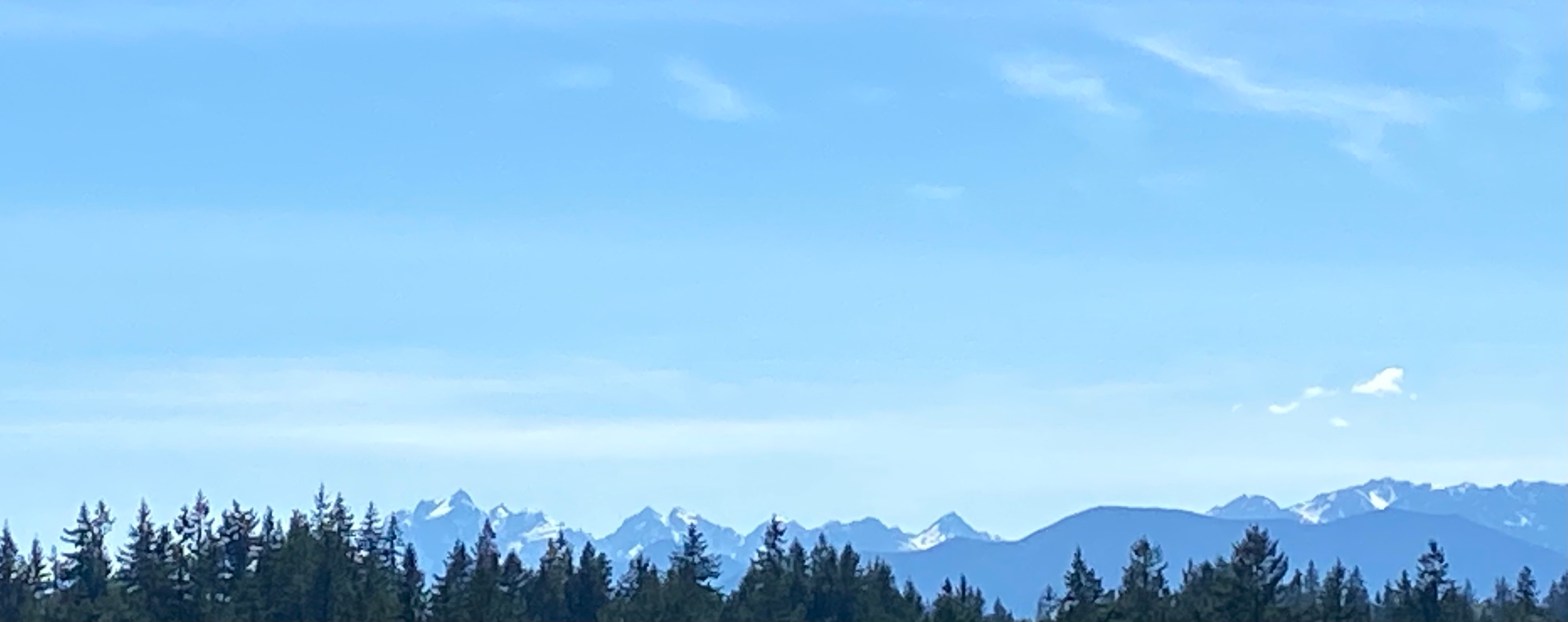
As I open the blinds to the clear view of the Olympic mountain range, I too sing out: Modah Ani! The birdsong, like the shofar, sounds as a spiritual alarm clock. And with open hearts, our voices of praise join in the chorus of creation.

I love this poem by Harriet Kofalk as an expression of Modah Ani:

Awakening

in a moment of peace

I give thanks

To the source of all peace

as I set forth

into the day

The birds sing

with new voices

and I listen with new ears

and give thanks

nearby

the flower called Angel’s Trumpet

blows

in the breeze

and I give thanks

my feet touch the grass

still wet with dew

and I give thanks

both to my mother earth

for sustaining my steps

and to the seas

cycling once again

to bring forth new life

The dewdrops

become jewelled

with the morning’s sun-fire

and I give thanks

you can see forever

When the vision is clear

in this moment

each moment

I give thanks

Yesterday, late Shabbat afternoon, I walked with my dad around the neighborhood and happened upon a red-headed woodpecker. It was hilariously pecking a stop sign. As we approached, it continued its curious drumbeat. At first, the entertainment was simply that the woodpecker didn’t know better, but after we lingered for a while, it appeared our red-headed friend was watching our reaction too, perhaps even suggesting that we human beings are the curious ones. We are the ones wrestling with what it means to “stop”, to pause the churning wheels of machinery.

David Abrams writes: “To touch the coarse skin of a tree is thus, at the same time, to experience one’s one tactility, to feel oneself touched by the tree. And to see the world is also, at the same time, to experience oneself as visible, to feel oneself seen” (The Spell of the Sensous, p.68).

As I offer thanks this early morning, I do so for the growing awareness that my body is part of the land’s body, that my song is part of this great symphony—that it is not only me perceiving the world, but that the red-headed woodpecker and the red cedar and all the forest Life, are praying too, with continuous Breath.

Shabbos

We must renew our acquaintance with the sensuous world in which our techniques and technologies are all rooted. Without the oxygenating breath of the forest, without the clutch of gravity and the tumbled magic of river rapids, we have no distance from our technologies, no way of assessing their limitations, no way to keep ourselves from turning into them. We need to know the textures, the rhythms and tastes of the bodily world, and to distinguish readily between such tastes and those of our own invention. Direct sensuous reality, in all its more than-human mystery, remains the sole solid touchstone for an experiential world now inundated with electronically-generated vistas and engineered pleasures; only in regular contact with the tangible ground and sky can we learn how to orient and to navigate in the multiple dimensions that now claim us.—David Abram, The Spell of the Sensuous

The village

We use the word “resiliency” often in describing our capacity to cope with change, to face reality. Resiliency is mentioned in describing the tools that can help us continually develop and draw from a reserve of mental, physical and spiritual strength.

I tuned in yesterday to a week-long summit on trauma and resiliency with speakers from all over the world. Dr. Peter Levine and Dr. Bessel van der Kolk spoke of somatic practices — movement and song—that can be a tremendous source of healing in the wake of trauma. Dr. David Treleaven described the way trauma “shrinks our window of tolerance” and mindfulness work can be a source of expansive healing. Dr. Ron Siegel talked about the power of relationships to help regulate our nervous system, to help us evolve and grow in response to impermanence.

My children’s first grade school year draws to a close this week and have been reflecting a lot on our village. Just as Dr.Ron Siegel describes—it’s a system of relationships that help regulate and wire us in a whole variety of ways. And as the second week of sabbatical unfolds, I am beginning to understand resiliency from the old growth forest in this way:

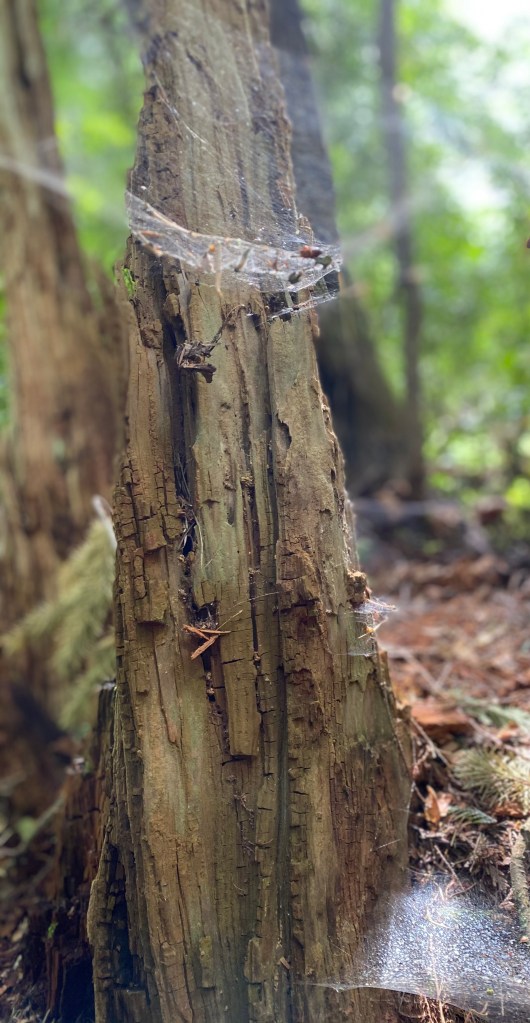
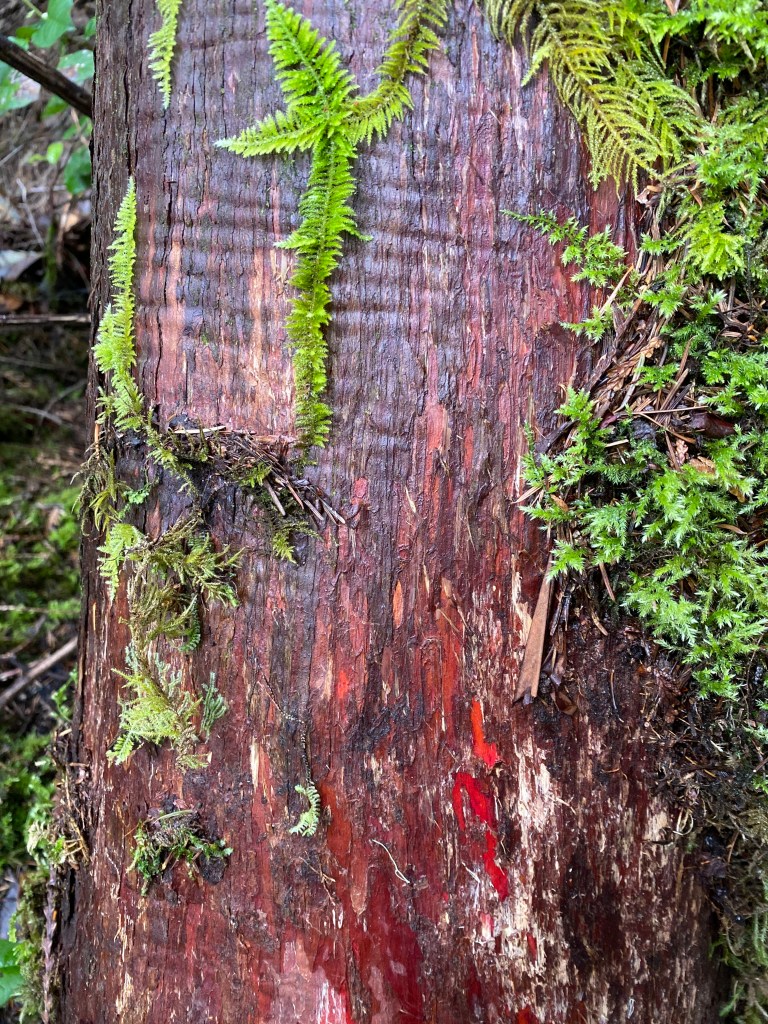
The change in temperature from walking on road to the old growth forest is quite noticeable. The concrete generates heat, the light is more blinding, the sound of my feet against the ground a bit sharper. Then, the forest path begins and the coolness wraps around me like a tallit, the air is rich with nutrients, and my feet are cushioned by the carpet of pine needles. In time, the fire of stress on my nervous system is calmed and the coolness of nature’s sanctuary invites me to dwell, time and again.

Perhaps now I will call our village, our pod, our community which has been such a source of blessing, our forest. And yes, we are opening a bottle of champagne (and sparking apple juice) to celebrate the last day of school!

…Your stories are our welcome night sign

Of stop and rest and sky and stars

and forgotten sleep where we wake again

To find we are surrounded, embellished,

Frightened, nourished,

Sheltered, restored, rejected and inhabited

By—how shall I say your name?

Wood, trunk, branch, leaf,

Boreal harmony of green in-breath,

My hands clapping, eyes opened,

Mouth attempting the song

Of your unspeakable gifts and grace

Again and again—the full hidden

Not to be said, mysterious

and utterable name of your full breath. Tree.

-David Whyte, Fire in the Earth

The Grand Forest

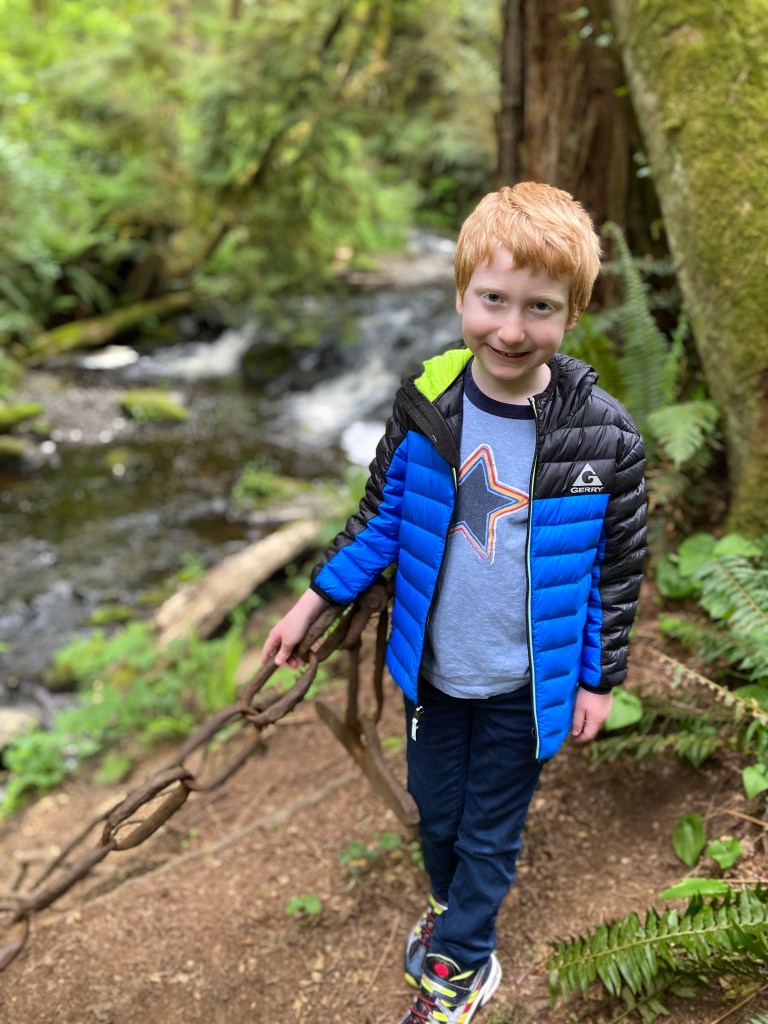
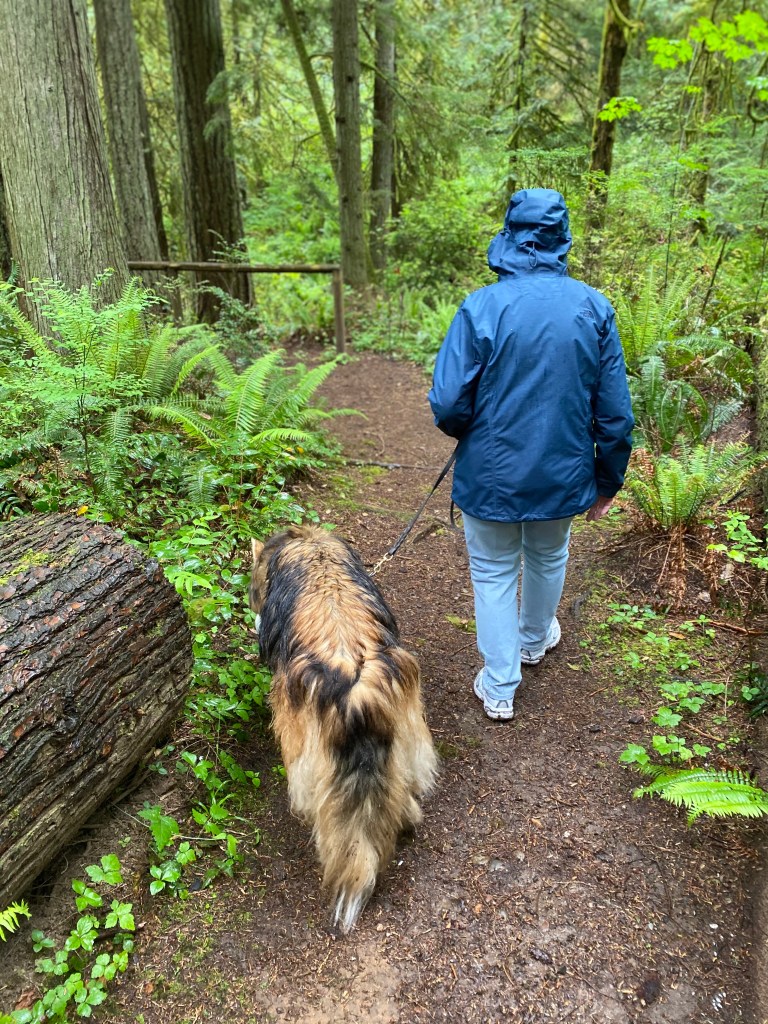
We began walking in the rain which had been steadily falling all morning since I woke up at 5am. The rain was light enough that with the proper gear, I hardly noticed, unlike a good old Texas downpour. 

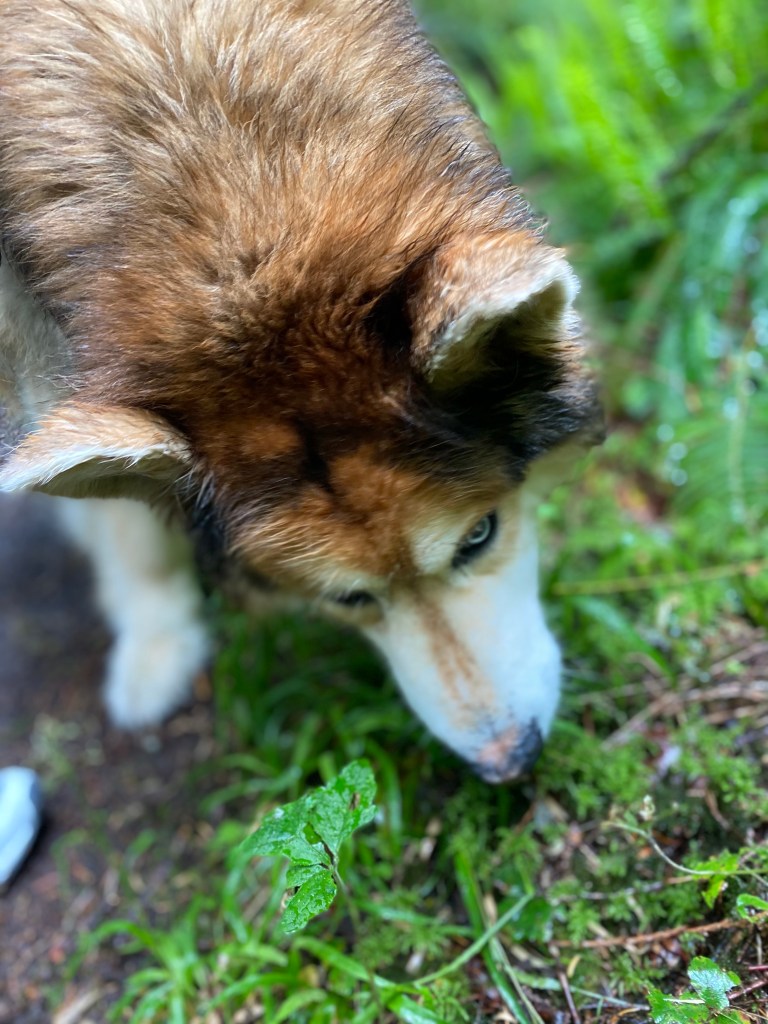
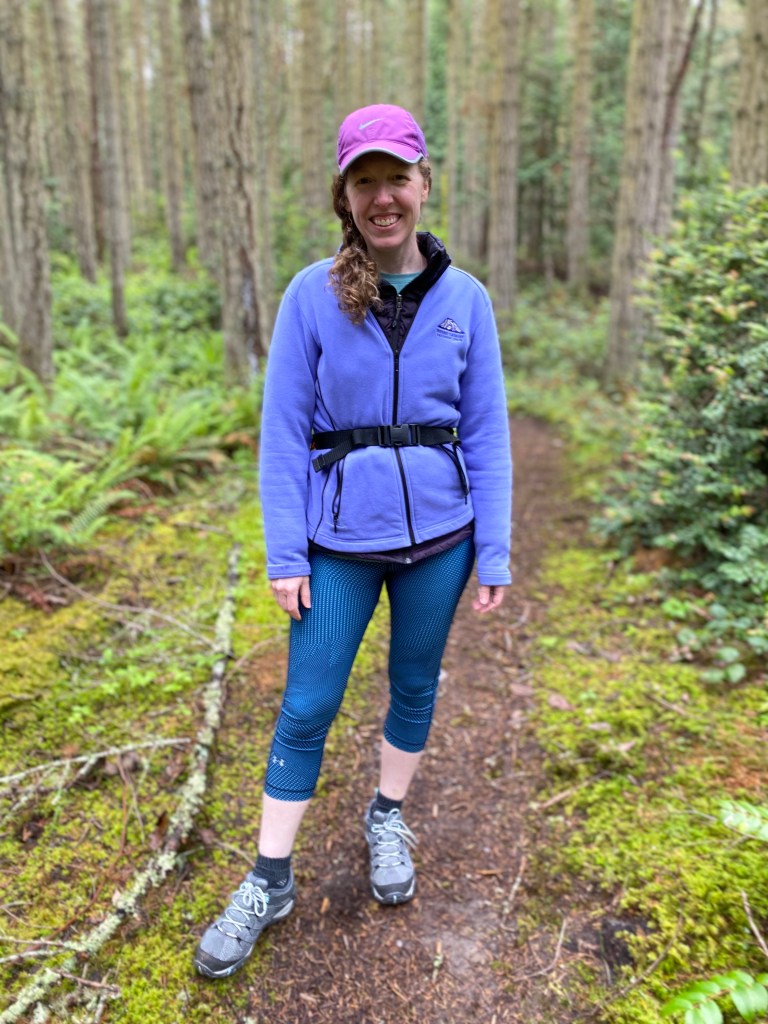
I was blessed to walk with a woman who has lived on Bainbridge Island for over 50 years. Her 12 year old husky mix, Macaw, was right by her side and I followed the two of them for three hours. Time stood still with the delight of accompanying such a wise, curious and spirited soul.

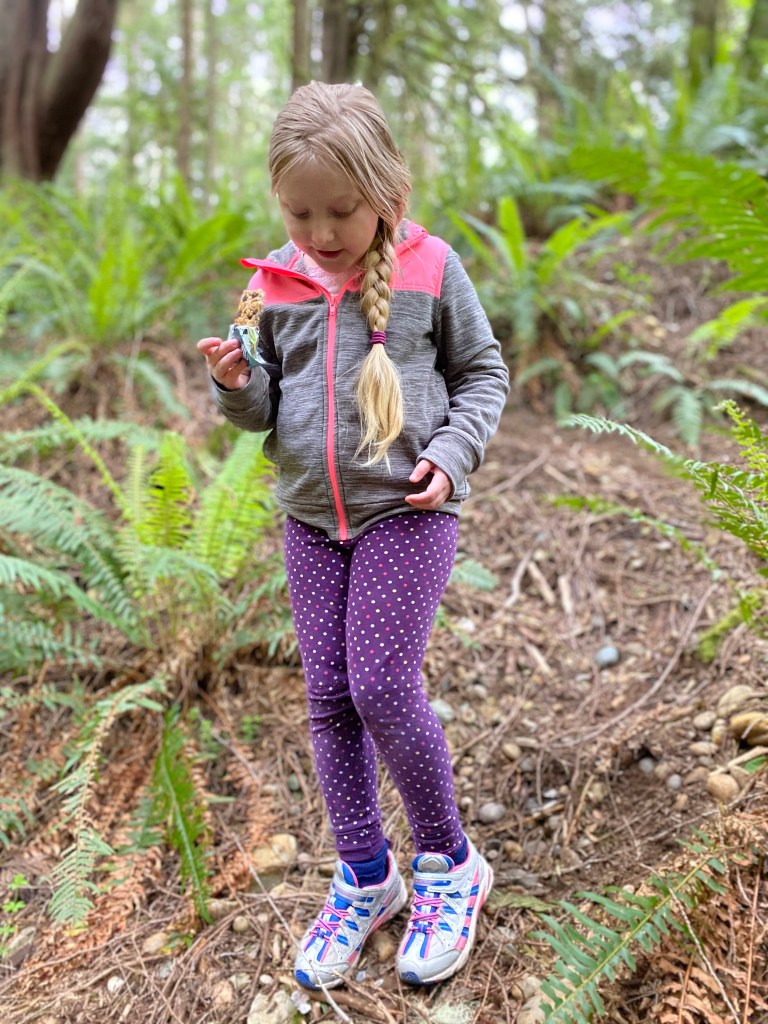
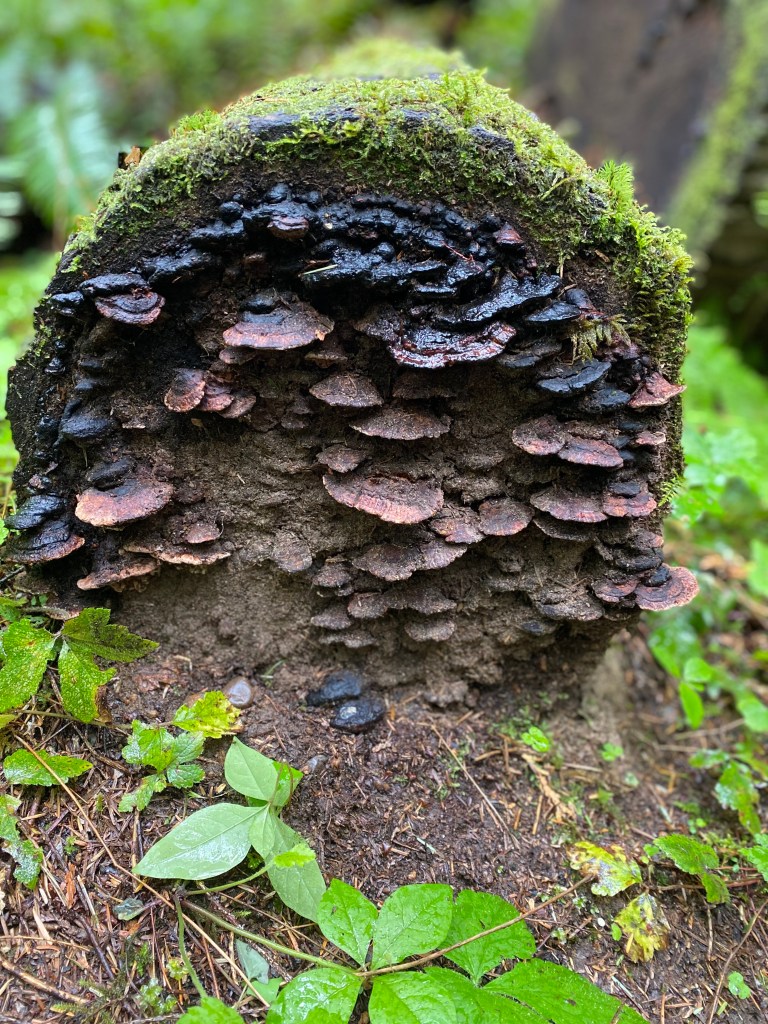
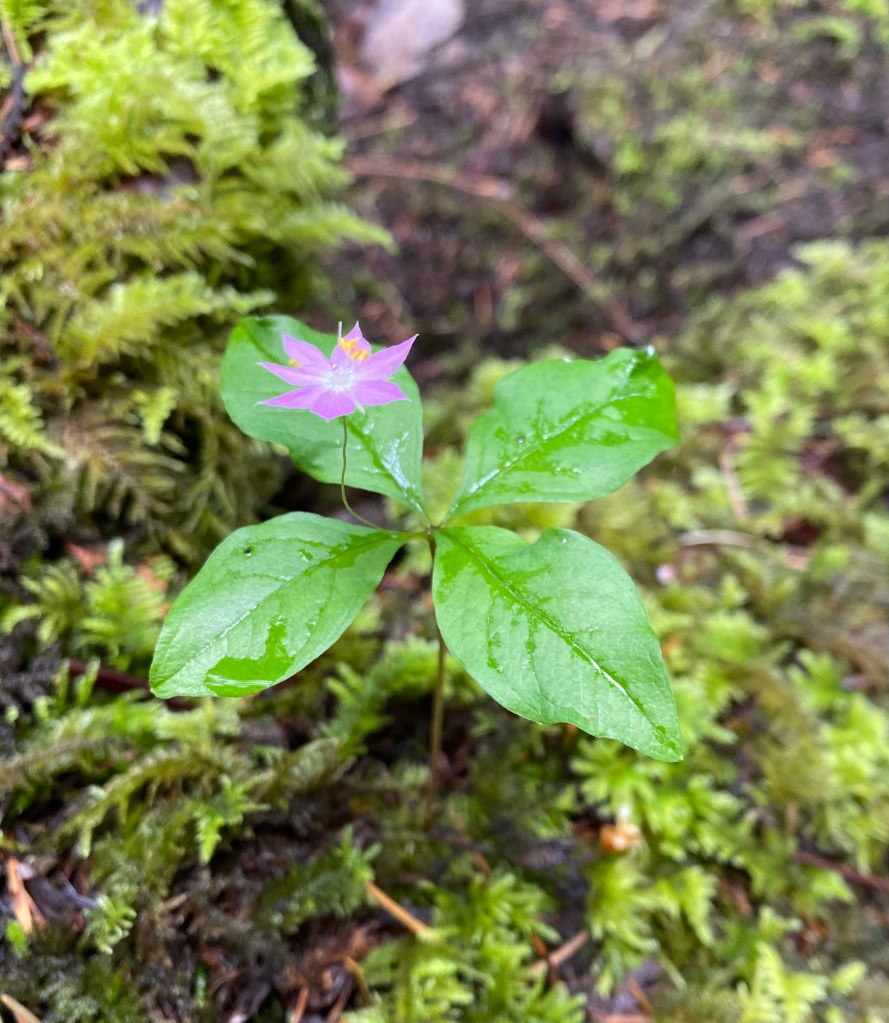
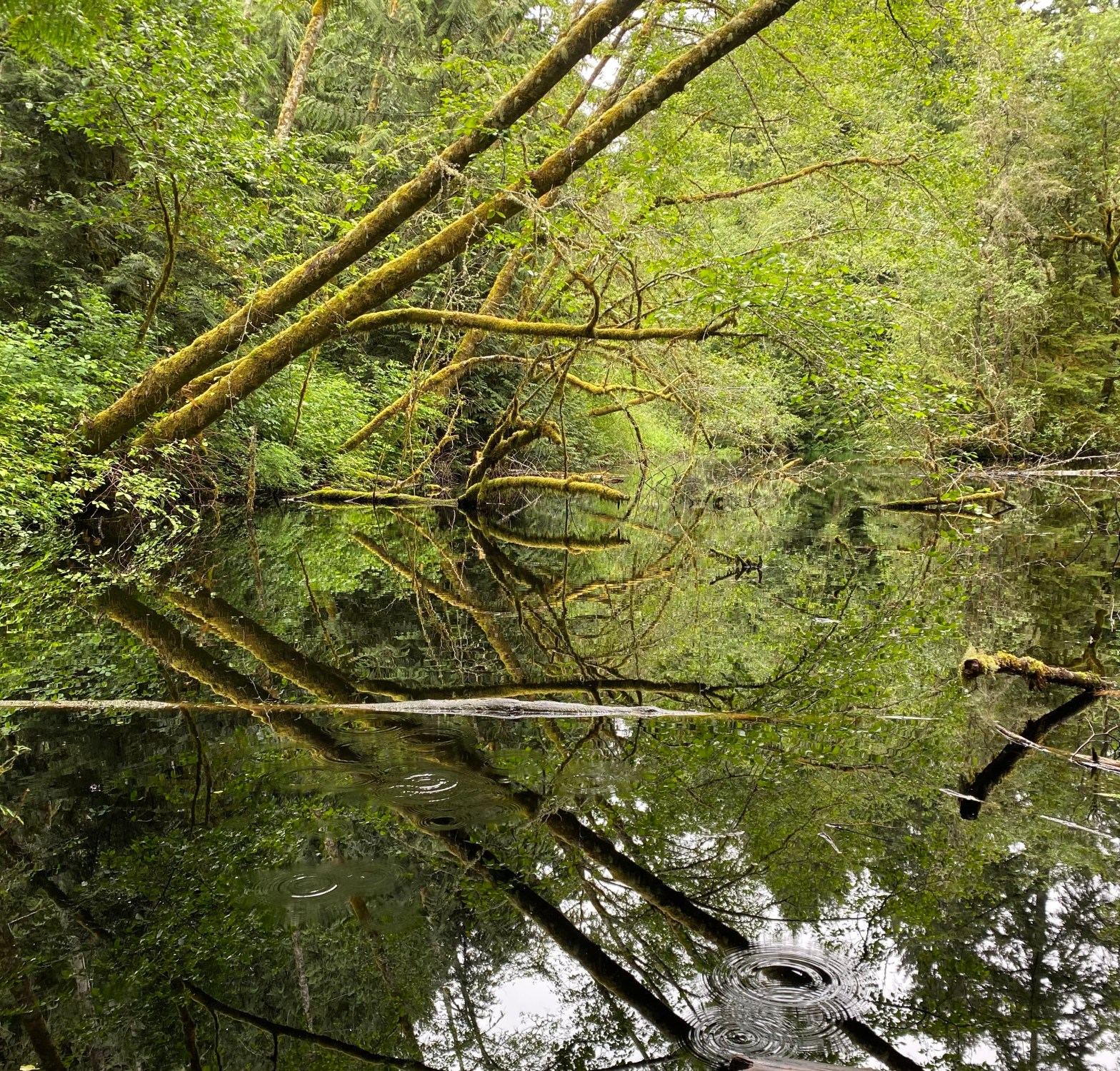
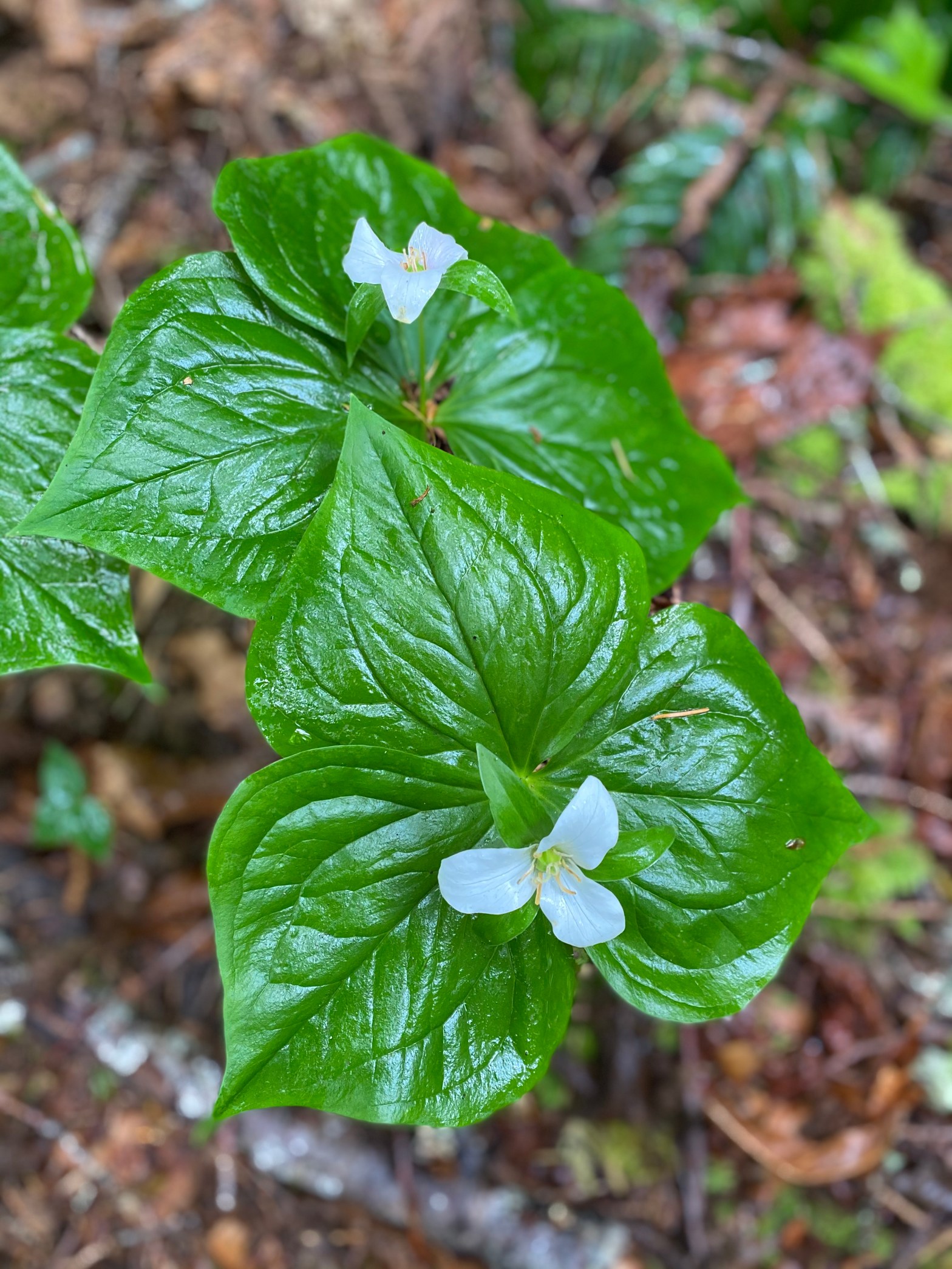
We discovered a few trillium flowers, wood ducks, a pond with water as still as glass, a whole variety of trees and ferns. The ferns covered the forest floor like a carpet of lush green. Her feet knew the trails of the Grand Forest like the voice of a dear friend. 

And while the flora and fauna wove into our conversation, filled our vision, and delighted our senses, we mostly talked about our lives — about trauma and loss, memory and legacy, regrowth and healing. Although we are of different generations, with different backgrounds and experiences, there was also so much we shared. Over the hours, a rooted sense of connection and loving appreciation emerged.

A forest is grand not only because of the tree’s heights and the birds soaring above, but because of the deep wells of memory that allow healing to take root over time. Because of the pathways of stillness and warmth even on a cold rainy day that bridges time and hearts.

Labyrinth

As we so often find in ancient folklore, the Caileach offers us a cyclical metaphor for life, one in which the energies of spring arrive again and again, nurtured by the deep retreat of winter. We are no longer accustomed to thinking in this way. Instead we are in the habit of imagining our lives to be linear, a long march from birth to death in which we mass our powers, only to surrender them again, all the while slowly losing our youthful beauty. This is a brutal untruth. Life meanders like a path through the woods. We have seasons when we flourish and seasons when the leaves fall from us, revealing our bare bones. Given time, they grow again (Wintering, Katherine May).

We found a labyrinth in the woods. A simple clearing with stones placed carefully, expanding out in countless circles. After a few minutes of attempting to navigate the path, the kiddos said—“Look, you can just jump over to the next level.” Jump, jump, jump! And so a opportunity to explore a lesson we learn from childhood through adulthood, as Katherine May captures above in her book Wintering—there are no short cuts in our lives, from season to season. But there is also the truth that given time, we grow again.

Ground rules

I happened upon an article by Rabbi Everett Gendler that begins with a quote from BT Chagigah 12b: It is taught: R.Jose says: Alas for creatures who see but know not what they see, who stand but know not upon what they stand. After R.Jose’s statement there is a lengthy debate in Tractate Chagigah about what makes up the earth and heavens, what pillars and foundations comprise the complex, majestic and mysterious world of which we are a part, and the worlds that extend beyond human comprehension.

Rabbi Gendler explores the binding covenant with God shared by all, a covenant that brings great responsibility and challenge. One essential way this covenant is expressed is through creation’s song, a song that isn’t known or heard until we cultivate humility, wonder and respect:“there is a vast symphony singing, if we could only hear..”—a vast symphony in the literal sense, not simply a figurative reference. All with breath will praise (Psalm 150)!

Rabbi Gendler isn’t just the author of the article I read today—he has been Michael’s teacher for years, and we were blessed to visit Everett and Mary two years ago as a family. Their home in the Berkshires nestled on acres of land they have lovingly tilled for decades is filled with song. Song not as a lofty, ephemeral or general expression. Song as note by note, dirt under your fingernails, sensual, specific and grounded. When the children first met Rabbi Gendler, a sparkle in his 90 year old eyes, they sensed he is a very special teacher. His gentle words guided us through treasures from all over the world, old maps and stories of his courageous work for justice.

I am holding this from Rabbi Gendler’s example and others who dedicate their lives to such sacred work: Setting ground rules for responsible forestry practices, or any environmental practices, is essential for survival. It is not that logging shouldn’t exist—it’s that we also need to allow holistic scientific data and ancient spiritual wisdom to infuse our policy, our collective agenda. It takes a whole host of groups with conflicting interests to gather at the table to set our future course, as well as set a trajectory for the healing of past and present trauma. As Michal Fox Smart writes (Genesis as a Foundation for a Jewish Environmental Ethic): …we may need to embrace the very tension which the Torah upholds: to acknowledge our separateness in order to take responsibility, and to recognize our creatureliness in order to apprehend our limits. We must formulate ethics which address humankind’s complexity: at once separate and unique, and connected and akin. For it appears that when either of these is over exaggerated or denied, upsetting the delicate balance between them, living beings will suffer.

We can apply these lessons (as Rabbi Gendler has done from the American South to India), to the devastating divide between communities—neighborhoods, cities, countries and nations. It doesn’t take much these days to make my heart quicken, a sickening in my stomach, when recalling (or imagining future) excruciating conversations on a whole range of issues. In today’s context and realities, where to even begin or continue these conversations? How do we feel authentic in our words and deeds? When do we feel trapped and frightened?

But then I remember this hope and practice —before any conversation—a shared request to set ground rules together. We may come with different truths, we may emerge with different truths, but perhaps the collective effort in setting our table together can allow us to stay at the table, and eventually, see and stand with deeper nuance and understanding. Perhaps this can lead us to a greater sense of abundance in our hearts and minds, a greater capacity to listen and learn? Perhaps this is what can help us make our way as healthier, more connected beings and communities, people filled with song.

A wish

As I spend time nestling in to the Mother Tree of Ludlow Falls and seeking the lessons of a deeper Intelligence that animates all life, I feel gratitude for the connection with my saplings (E&J), so very strong through the storms and squalls of life. What a blessing and humbling responsibility. For as long as we stand together in this word, and even in worlds to come, there is so much love coursing through our roots systems that are uniquely ours, and all the while universally shared with creation.

May you be protected by the arching branches of Her/His canopy.

May your bodies grow, sturdy and sure, nourished by healthy food and clean water.

May your souls open to others with the curiosity of woodland creatures.

May your minds be rooted in the wisdom of our people, woven into the web of

knowledge within and surrounding you.

May your hearts be filled with the joy of birdsong and the peace of the rustling wind.

And know that you are forever my teachers,

as together we grow amidst the earth’s forest floor,

Under the boundless expanse of the heavens.