(Parashat Vayechi sermon at Temple Emanu-El 1/2/26)
I finally caved and agreed it was time to install a TV in the living room. Now our family, or our pre-teens and their friends, can curl up on the couches and watch movies.
My resistance was rooted in a sense of overwhelm with the variety of screens that can occupy space and time—iPads and phones, TVs and Kindles. But I came to realize it isn’t about adding or subtracting screens per say—rather, it’s how we set limits and mindfully use the ones we have. It’s a practice, and one many feel challenged by in the modern age.
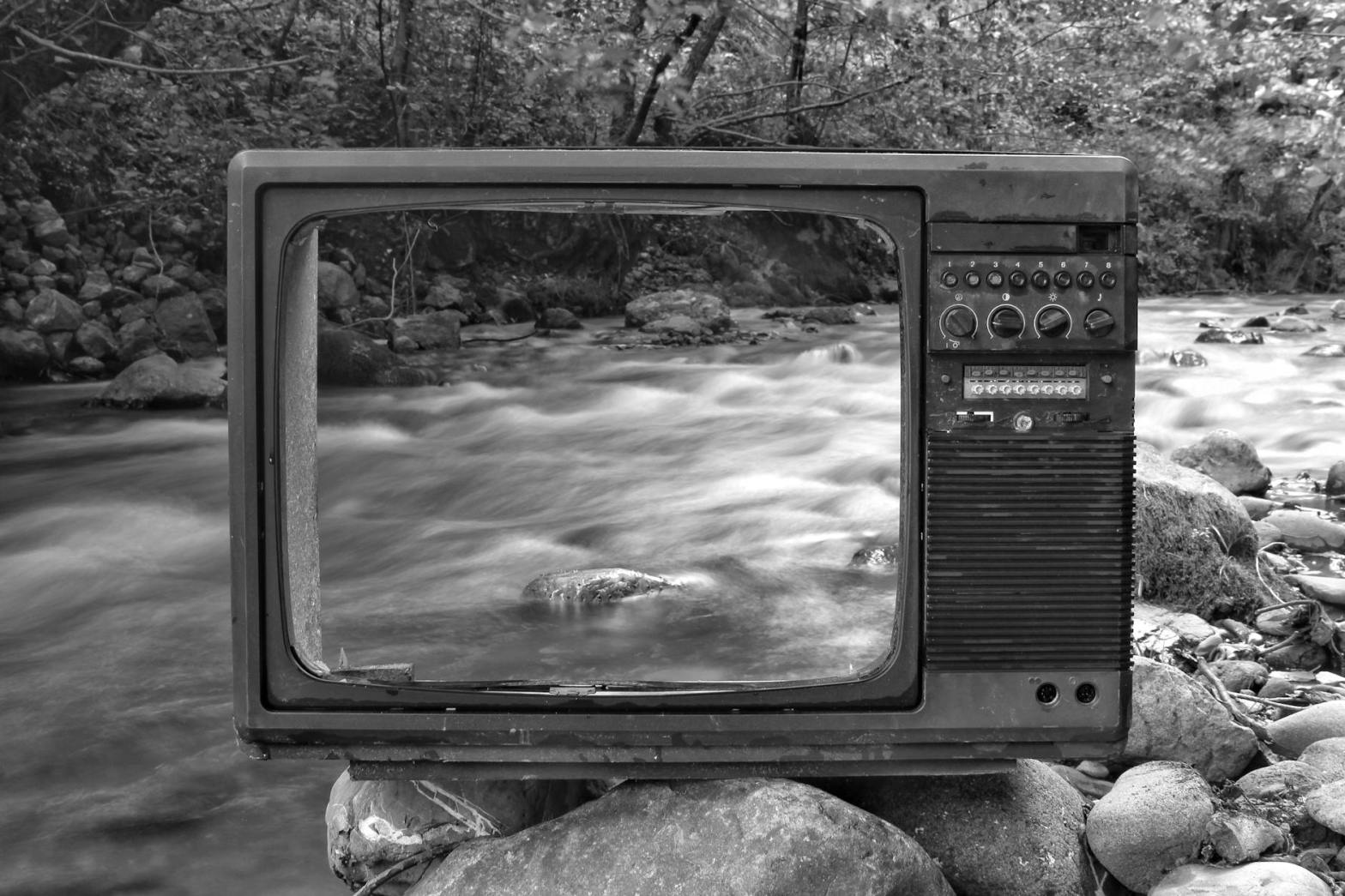
I admit, there is a new feature I love, which perhaps many of you have enjoyed for some time. Instead of looking at a blank black rectangular TV on the wall, you can select art. Collections from the Tate Museum, MoMA, Monet and Van Gogh have graced our living room wall. We had fall colors for Thanksgiving, spinning dreidels for Hanukkah, and a series of images in honor of the secular New Year.
This week the TV screen transformed into sparks of color and pizazz on rotation. Flutes brimmed with bubbling champagne, Radio City music hall glimmered with Manhattan winter lights, fireworks punctuated a Los Angeles sky with palm trees bowing to the splendor, doves brought tidings of peace, and crowds danced under disco balls in a frenzied array of moves.
The images told a story about the ways we might mark this yearly event across the globe. Some images were more contemplative and subdued in nature, others were glamorous and electric.
Regardless of how we celebrate, the turning of 2025 to 2026 can bring forth opportunities for reflection:
What has changed, in painful and in good ways?
Who am I now, who are we?
What inspires meaning and a sense of purpose?
How can we cultivate healing and repair?
During Rosh Hashanah we speak about the opening of gates for reflection on our soul’s journey and the ways we connect to others and to God. The Book of Life is before us –what will be written and what will we write? While December 31st at midnight is a far cry from Rosh Hashanah, with the majesty and spiritual depth our sacred practice can inspire, this is a season of transition in the greater culture of which we are a part. Plus, we’ve never believed that the work of change happens in finite periods of time, only during the fall. In other words, teshuva, the work of finding our way back to the core of who we are and who we seek to become, is a continual, lifelong practice.
New Years, the secular and the sacred, can feel like the closure of a chapter or a book and the beginning of a new one. And it just so happens, we start off 2026 with an alignment between our secular calendar and our Torah reading cycle! This Shabbat we read Parashat Vayechi, the last Torah portion in the Book of Genesis, so we really are ending one book and beginning a new one.
Lord Rabbi Jonathan Sacks, zichrono livracha, offered a beautiful recap of Vayechi, pointing to the central theme of the power we draw from family. Genesis ends with three significant events—
Jacob blesses Ephraim and Menashe,
Jacob blesses his twelve sons, and finally, following Jacob’s death,
Joseph and his brothers find a sense of fragile peace after years of conflict and tension.
The whole book of Genesis is punctuated by the challenges of sustaining a family—there are stories about infertility and jealousy, lies, banishment and even violence against family members. Given all this, as Rabbi Sacks noted:
“The mere fact that Jacob is able to gather his sons together is unprecedented, and important. In the next chapter – the first of Exodus – the Israelites are, for the first time, described as a people. It is hard to see how they could live together as a people if they could not live together as a family…
…Genesis is not a hymn to the virtue of families. It is a candid, honest, fully worked-through account of what it is to confront some of the main problems within families, even the best…
Rabbi Sacks concluded with these words:…I believe that family is the birthplace of freedom. Caring for one another, we learn to care for the common good.” https://rabbisacks.org/covenant-conversation/vayechi/
Family can take different forms, not only our blood relatives. For some of us, our family systems are far from safe or healthy. That is why there are so many stories in the Torah and through our tradition about friendships that become family, a community and a neighborhood can be too. In all these systems, we ideally practice care and conversation, listening and sharing. And in all these systems, we inevitably make mistakes. Yet, the last chapters of Genesis remind us—wherever we are, whatever web of connections we are part of, there are ever-new ways to cultivate strength and to strengthen one another.
The pages of the story keep turning…Genesis ends and Exodus begins but it is really a continual unfolding, with challenges and hopes, doubt and faith in ourselves and each other as cyclical elements through all of Torah, through all time, rather than a linear march through events. Perhaps that’s why, when arriving at the end of each of the five books of Moses we say the following words: Chazak, chazak v’nitchazek. Be strong, be strong, and may we be strengthened.
A year ago, I remember a friend, who is really like a sister, offered a blessing for 2025: May it be a more gentle year for you. After a cancer diagnosis and the sudden loss of my dad, I responded with a rousing AMEN. And then a week later, my childhood home burned in the Palisades fire. Needless to say, we exchanged a different blessing this year—more along the lines of Chazak, chazak v’nitchazek. Be strong, be strong, and may we be strengthened.
So as the seasons turn, and at the dawn of 2026, let us hold close these words from our Jewish new year (Machzor Mishkan HaNefesh).
Once two Sages were walking very early in the valley
And they saw the light of the morning star.
Said one to the other,
‘This is how the redemption will be.
The dawn breaks with a single ray of light
And bit by bit the sky is illumined,
Until morning comes and the darkness is gone.
So the redemption will occur little by little,
Growing steadily and gradually
Until the world is full of light.’
Do not wait for a miracle
Or the sudden transformation of the world.
Bring the day closer, step by step,
With every act of courage, of kindness,
Of healing and repair.
Do not be discouraged by the darkness.
Lift up every spark you can
And watch the horizon
For the coming of dawn.
Look closely!
It has already begun.
For whatever comes, and whatever we create, may it be that we walk with connection to something greater than us, and that through our caring presence, and through our courage, we strengthen one another with sparks of joy and healing that can light up the night sky.
 Reflections by Rabbi Kim